|
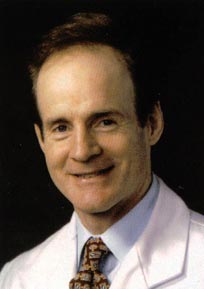
Dr. Gerard M. Nolan, M.D., F.A.C.S., is a dedicated and innovative ophthalmologist with more than 40 years of experience transforming lives through better vision. Based in Farmington, Connecticut, USA Dr Nolan has been a pioneer in refractive eye surgery, helping patients achieve sharper, clearer vision without glasses or contacts.
During an informative period in ophthalmology, before and during the emergence of laser vision correction, Dr Nolan focused on the treatment of hyperopia and corneal surface disease. He lectured nationally and internationally and collaborated with leading institutions, including New York Presbyterian Hospital Weill Cornell Medical Center and the University of Connecticut School of Medicine, contributing to the development of early refractive surgical techniques.
He was the first to patent (2000) a breakthrough physiologic and pharmacologic method for correcting presbyopia (age-related near vision loss) and has also discovered and patented (2001) a revolutionary approach to reversing permanent blindness using acetylcholinesterase inhibitors.
Beginning in the late 1990s Dr Nolan shifted his focus towards one of ophthalmology's greatest challenges: restoring vision in aging and degenerative retinal disease. He became an early proponent of physiologic and pharmacologic approaches to vision improvement particularly through modulation of retinal signaling pathways. His work explores the use of acetylcholinesterase inhibitors to enhance retinal processing in retinal patients.
Through clinical observation and long term patient follow up, Dr Nolan has reported cases illustrating stabilization and even improvement in visual function (visual acuity/color vision), challenging traditional assumptions about irreversible retinal degeneration. Through his groundbreaking work, Dr. Nolan offers new hope to patients with age-related macular degeneration and Stargardt disease.
As a clinical instructor at both the University of Connecticut School of Medicine and Weill Cornell Medical College, Dr Nolan blends academic excellence with a patient-centered approach. His passion for innovation and commitment to restoring vision continue to inspire both his US and international patients as well as his professional peers.
Dr Nolan's career shows a rare continuity from structural correction of vision (cornea and refraction) to functional restoration of vision (retinal physiology). His work bridges surgical innovation and neuro ophthalmic insight, supported by decades of clinical experience.
Hospital Affiliations
● Hartford Hospital
● University of Connecticut Health Center
● Saint Francis Hospital
● Mount Sinai Hospital
● The New York Hospital – Cornell Medical Center
● Manchester Memorial Hospital
Professional Publications
2001 Nolan, G.M.,
“Corneal Resurfacing Treats Recurrent Erosion,” Ocular Surgery News,
September 1, 2001.
2001 Nolan, G.M., “
Physiological Method of Improving Vision,” U.S. Patent Application, August
2001.
2001 Nolan, G.M.,
“Methods of Treating Diminished Visual Acuity Due to Certain Eye Diseases,”
PCT Patent Pending 939024.20007, July 2001.
2001 Nolan, G.M.,
“Methods for Treating Various Eye Disorders,” PCT International Patent
Pending 09667.270, June 2001.
2001 Nolan, G.M.,
“Methods of Treating Diminished Visual Acuity Due to Certain Eye Diseases,”
U.S. Patent Pending 939024.20007, January 2001.
2000 Nolan, G.M.
“Methods for treating Various Eye Disorders,” U.S. Patent Pending
939024.2005, September 2000.
2000 Nolan, G.M., “New
Argon Based Treatment Tacks Down Poorly Attached Epithelial Cells,” Ocular
Surgery News, April 15, 2000.
1998 Nolan, G.M.,
“Methods for Heating and Resurfacing a Substrate,” PCT International Patent
Pending 9390-2420004, April 1998.
1997 Nolan, G.M.,
“Methods for Heating and Resurfacing a Substrate,” U.S. Patent Pending
9390-2420004, February 1997
1996 Nolan, G.M.,
“Refractive Surgery, Keratothermoplasty: A Long Study,” Ocular Surgery,
November 1996.
1994 Nolan, G.M.,
“Treatment of Hyperopia by Keratothermoplasty,” Ocular Surgery, September
1994.
1994 Nolan, G.M.,
“Spontaneous Dislocation of Plate Haptic Silicon Lenses,” Ocular Surgery,
Spring 1994. |